SMALL FRATERNAL COMMUNITIES-PEQUEÑAS COMUNIDADES FRATERNALES
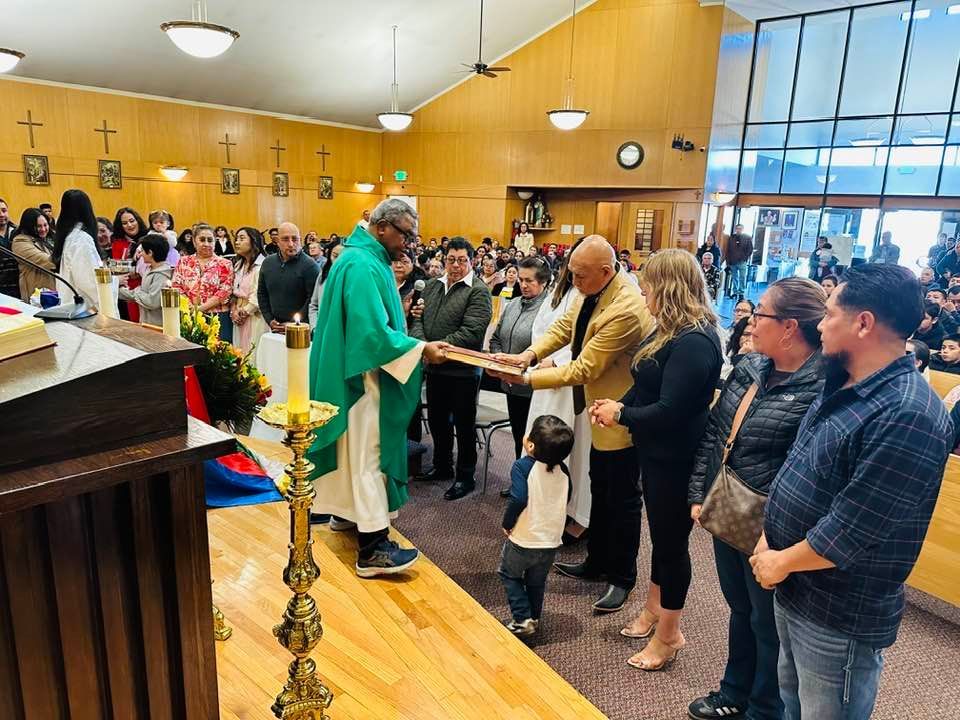
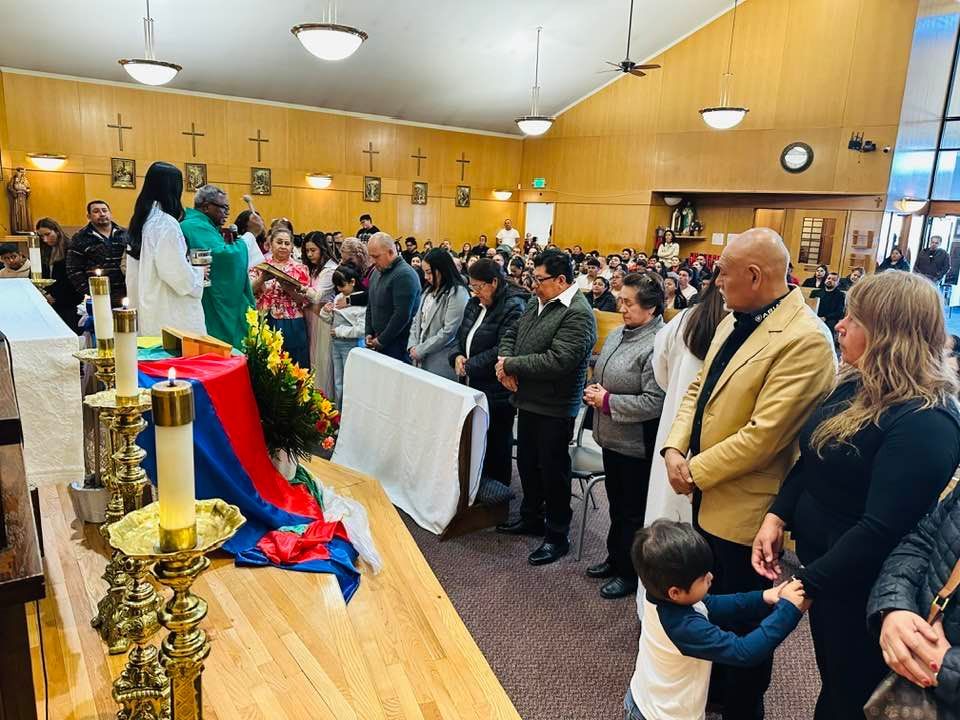
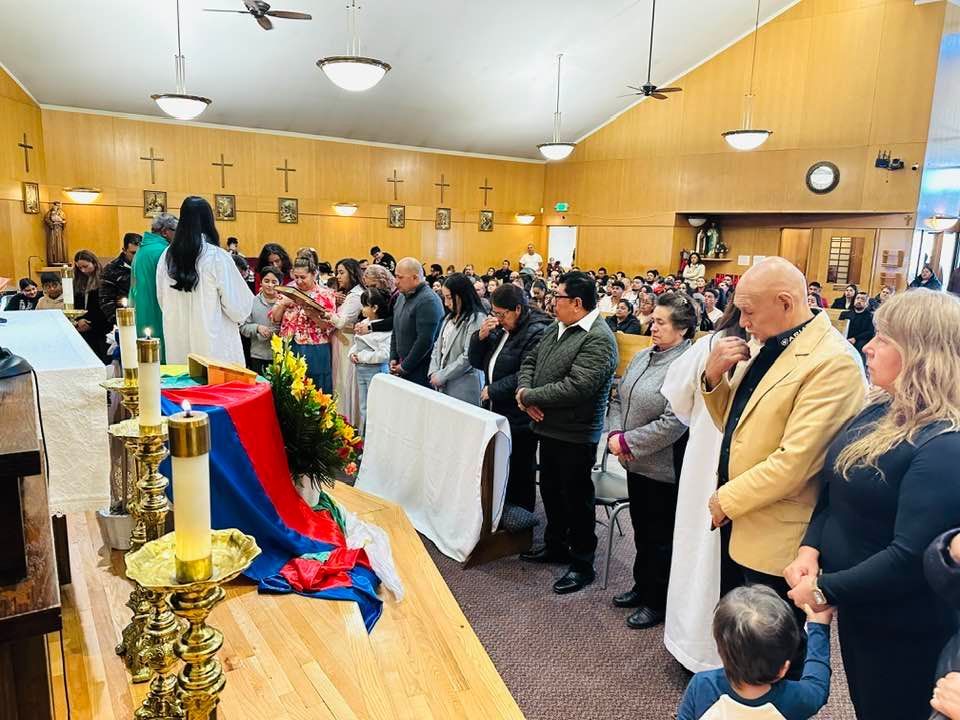
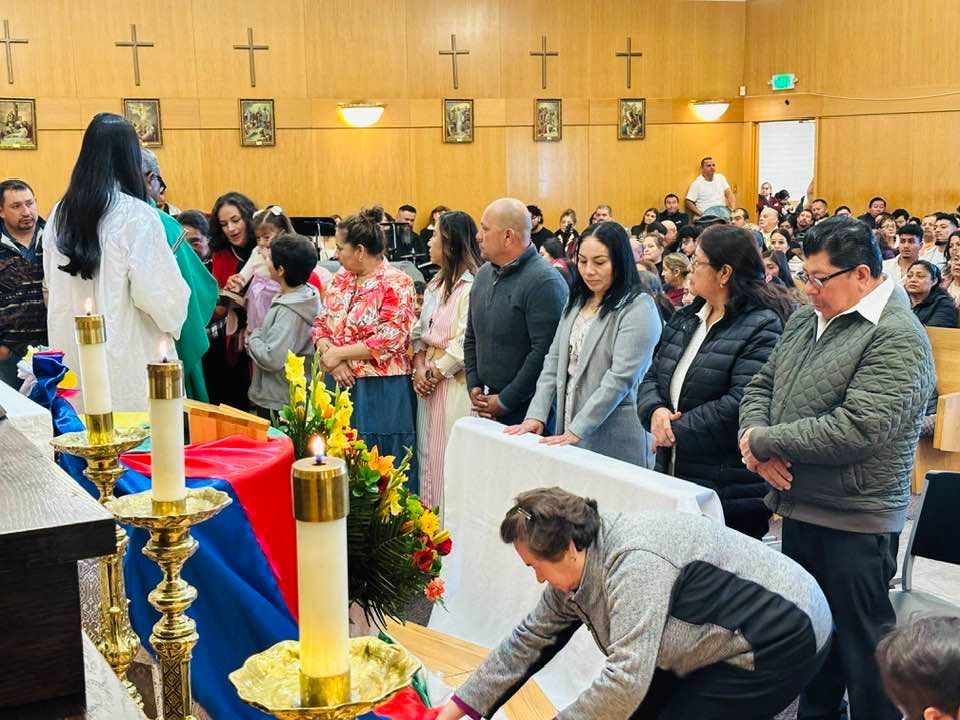
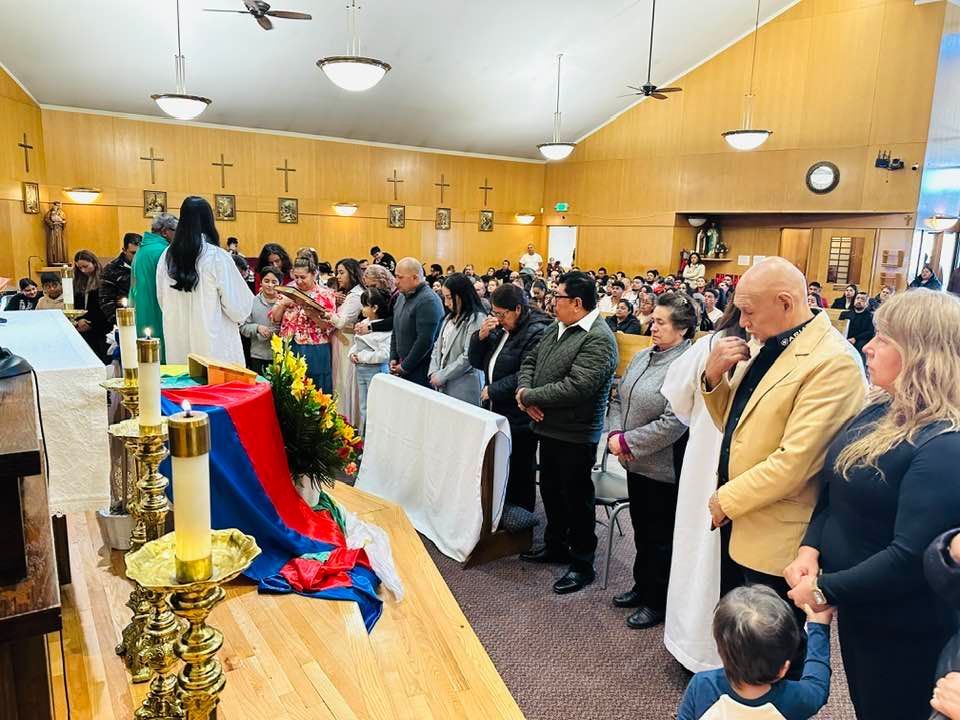
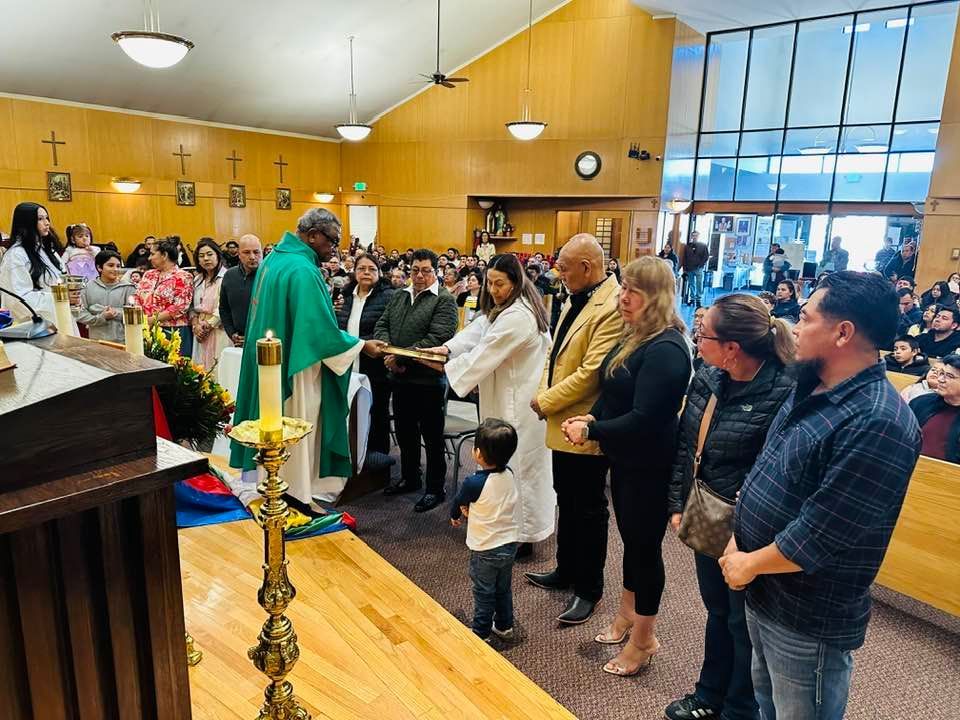
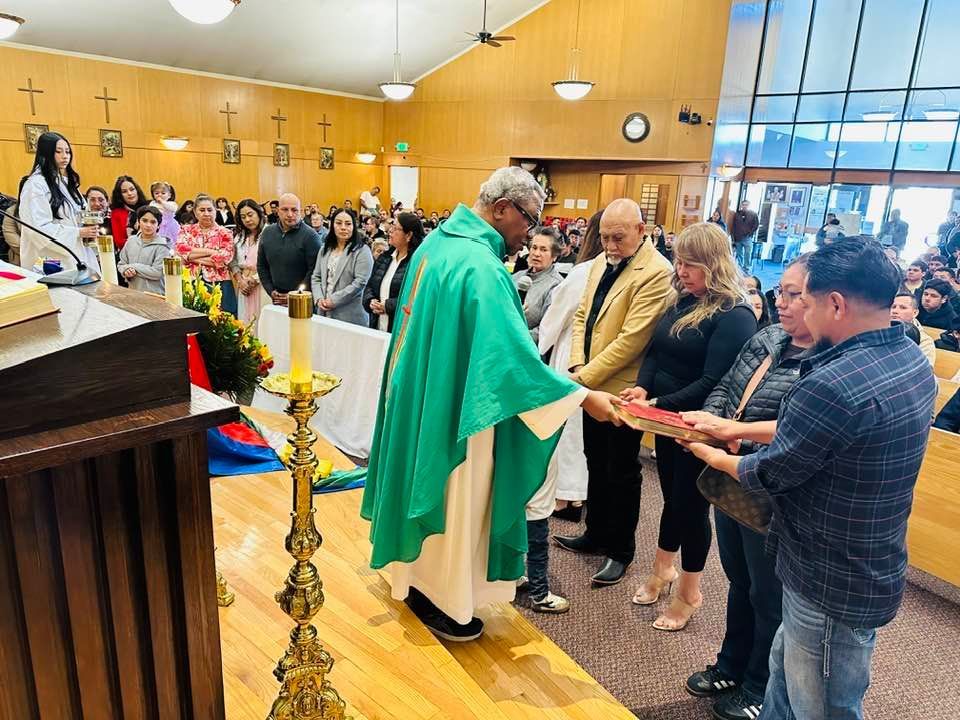
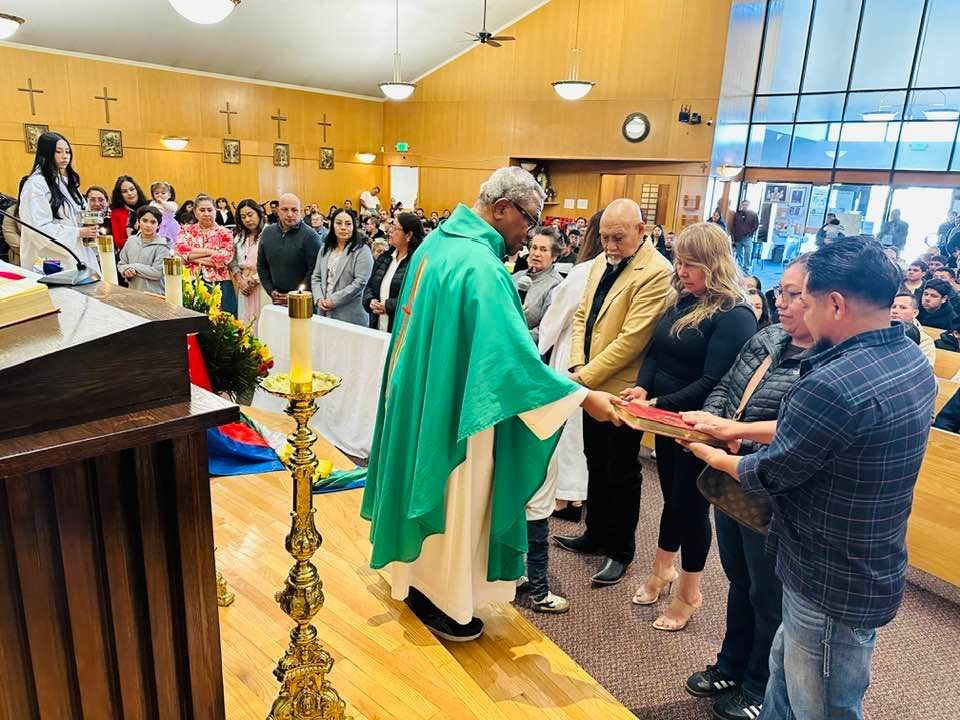
The Great Project of Evangelization of our parish includes three points. The first is the Kerygmatic Phase, that's to say of AWARENESS (2021-2024). The second is the Pre-catechumenal Phase, that's to say of EVANGELIZATION (2024-2027). Finally, the Catechumenal Phase will be the third point. It will be a question of DEFINING OURSELVES AS A CHURCH ON MISSION (2027-2030), a community witness to the Risen Christ. The objective of the second phase is the Evangelization of our entire parish. It will be a systematic evangelization. We must make the Gospel known, in a systematic and cyclical process of significant experiences of encounter and oriented to the election of Christ. The first year will talk about the Word of God (2024-2025), the second will be the Faith (2025-2026), and we will finish with the election of Christ as our Lord (2026-2027).
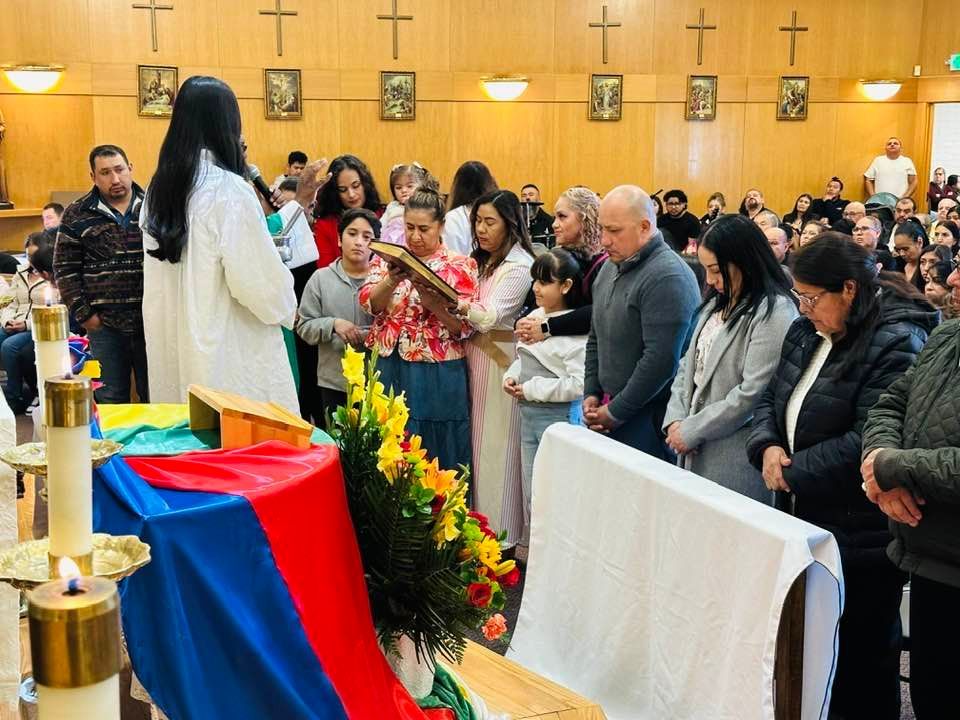
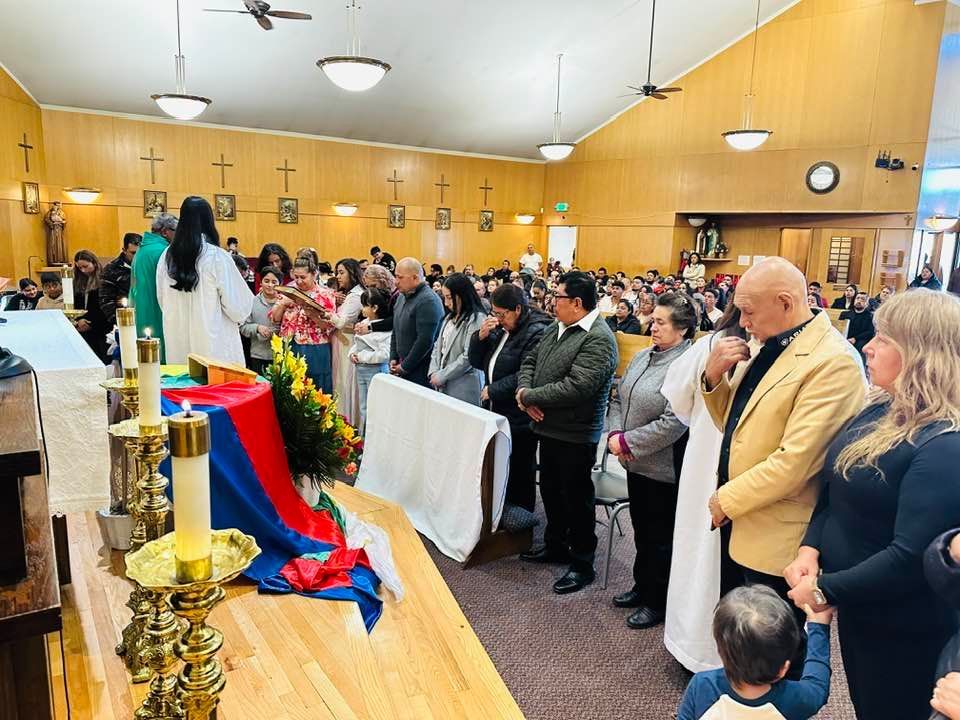
During the first year, the Year of the Word of God, we enthroned the Word of God in our church and in all the families of our parish community. In this second year of the second phase of the Great Evangelization Project of our parish, we have activated the experience of Small Fraternal Communities (SFCs). Through these SFCs, God continues His work in our parish community. We are merely instruments in His hands for the realization of His plan to touch the hearts and lives of His sons and daughters here in West Valley City.
Our SFCs are “geographic places” and “theological places” of happiness, hope, and spiritual and human growth. They are "places for listening to the Word of God," for sharing it, understanding it, celebrating it, meditating on it, and putting it into practice in daily life in all its multifaceted aspects. Ultimately, we are "building a community of brothers and sisters who BELIEVE, who CELEBRATE, and who LIVE TOGEEHTER as missionary disciples."
With this experience, we are responding to the calls of Saint John Paul II (Ecclesia in America #41) and Pope Francis (Evangelii Gaudium #28-29), continuing the experience of Basic Ecclesial Communities (BECs) begun by Catholic bishops in the USA (Basic Ecclesial Communities: An Experience in the United States of America, 1980), and putting into practice the pastoral and missionary guidelines of our Bishop Oscar A. Solis, Bishop of the Diocese of Salt Lake City.
Saint John Paull II said: “The parish is a privileged place where the faithful concretely experience the Church. Today in America as elsewhere in the world the parish is facing certain difficulties in fulfilling its mission. The parish needs to be constantly renewed on the basis of the principle that “the parish must continue to be above all a Eucharistic community”. This principle implies that “parishes are called to be welcoming and fraternal, places of Christian initiation, of education in and celebration of the faith, open to the full range of charisms, services and ministries, organized in a communal and responsible way, capable of utilizing existing movements of the apostolate, attentive to the cultural diversity of the people, open to pastoral projects which go beyond the individual parish, and alert to the world in which they live”.
Because of the particular problems they present, special attention needs to be given to parishes in large urban areas, where the difficulties are such that normal parish structures are inadequate and the opportunities for the apostolate are significantly reduced. The institution of the parish, however, retains its importance and needs to be preserved. For this, there is a need “to keep looking for ways in which the parish and its pastoral structures can be more effective in urban areas”. One way of renewing parishes, especially urgent for parishes in large cities, might be to consider the parish as a community of communities and movements. It seems timely therefore to form ecclesial communities and groups of a size that allows for true human relationships. This will make it possible to live communion more intensely, ensuring that it is fostered not only “ad intra”, but also with the parish communities to which such groups belong, and with the entire diocesan and universal Church. In such a human context, it will be easier to gather to hear the word of God, to reflect on the range of human problems in the light of this word, and gradually to make responsible decisions inspired by the all-embracing love of Christ. The institution of the parish, thus renewed, “can be the source of great hope. It can gather people in community, assist family life, overcome the sense of anonymity, welcome people and help them to be involved in their neighborhood and in society”. In this way, every parish, and especially city parishes, can promote nowadays a more person-centered evangelization and better cooperate with other social, educational and community work.
Moreover, “this kind of renewed parish needs as its leader a pastor who has a deep experience of the living Christ, a missionary spirit, a father's heart, who is capable of fostering spiritual life, preaching the Gospel and promoting cooperation. A renewed parish needs the collaboration of lay people and therefore a director of pastoral activity and a pastor who is able to work with others. Parishes in America should be distinguished by their missionary spirit, which leads them to reach out to those who are faraway.” (Ecclesia in America #41)
Pope Francis wrote: “The parish is not an outdated institution; precisely because it possesses great flexibility, it can assume quite different contours depending on the openness and missionary creativity of the pastor and the community. While certainly not the only institution which evangelizes, if the parish proves capable of self-renewal and constant adaptivity, it continues to be “the Church living in the midst of the homes of her sons and daughters”. This presumes that it really is in contact with the homes and the lives of its people, and does not become a useless structure out of touch with people or a self-absorbed group made up of a chosen few. The parish is the presence of the Church in a given territory, an environment for hearing God’s word, for growth in the Christian life, for dialogue, proclamation, charitable outreach, worship and celebration. In all its activities the parish encourages and trains its members to be evangelizers. It is a community of communities, a sanctuary where the thirsty come to drink in the midst of their journey, and a centre of constant missionary outreach. We must admit, though, that the call to review and renew our parishes has not yet sufficed to bring them nearer to people, to make them environments of living communion and participation, and to make them completely mission-oriented.
Other Church institutions, basic communities and small communities, movements, and forms of association are a source of enrichment for the Church, raised up by the Spirit for evangelizing different areas and sectors. Frequently they bring a new evangelizing fervour and a new capacity for dialogue with the world whereby the Church is renewed. But it will prove beneficial for them not to lose contact with the rich reality of the local parish and to participate readily in the overall pastoral activity of the particular Church. This kind of integration will prevent them from concentrating only on part of the Gospel or the Church, or becoming nomads without roots. (Evangelii Gaudium #28 & 29)
Father Sébastien SASA, PhD, MPA
Pastor of Saints Peter and Paul Catholic Church
West Valley City, UT